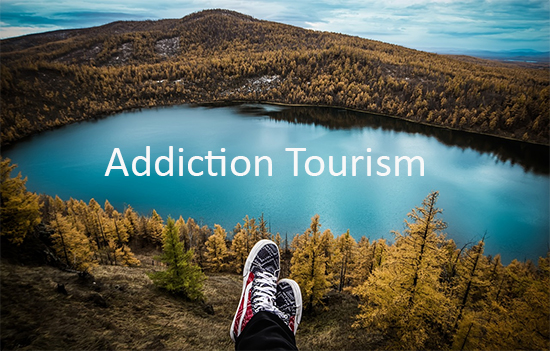
Travel can be one of life’s most enriching experiences, offering new perspectives, personal growth, and moments of joy. However, for individuals struggling with addiction or at risk of substance use, the culture surrounding tourism can sometimes introduce unique challenges. High-energy party destinations, easy access to alcohol or drugs, and the social pressures of vacation environments can all influence behaviors and trigger relapse. Understanding how travel culture impacts addiction risk is essential for individuals in recovery, their families, and the tourism industry itself.
How Tourism Influences Addiction Risks
Social Norms and Peer Pressure
Tourist hotspots often create a sense of freedom where normal routines and responsibilities are temporarily suspended. For some, this freedom translates into experimentation with substances or overindulgence in alcohol. Peer pressure from travel companions or local party scenes can intensify these risks, particularly for those in early recovery or struggling with mental health challenges.
Accessibility of Substances
Certain travel destinations are known for their nightlife and party culture, making alcohol and recreational drugs highly accessible. This increased availability can pose a significant risk for individuals trying to maintain sobriety, especially in environments where substance use is normalized or glamorized.
Stress, Anxiety, and Isolation
Travel, while enjoyable, can also be stressful. Unfamiliar surroundings, crowded airports, and language barriers can trigger anxiety and stress, which are known relapse triggers for individuals with addiction. Feeling isolated or disconnected while traveling may increase vulnerability to old habits.
Strategies for Safer Travel
Choosing Recovery-Friendly Destinations
Not all travel environments carry the same risk. Choosing destinations with wellness retreats, sober resorts, or faith-based programs can provide a supportive environment that prioritizes mental health and holistic care. Researching accommodations that offer structured activities, group support, or mindfulness practices can make a significant difference in maintaining recovery while traveling.
Planning Ahead and Building Support
Preparation is key to mitigating risks. Travelers should plan activities that minimize exposure to high-risk environments, schedule time for self-care, and stay connected with supportive networks. Communicating openly with travel companions about personal boundaries and recovery needs can foster understanding and accountability.
Integrating Holistic Practices
Engaging in holistic practices while traveling can help strengthen mental and emotional resilience. Yoga, meditation, journaling, and nature-based activities provide grounding, reduce stress, and promote overall well-being. Combining these approaches with professional support, when available, creates a strong foundation for recovery.
How the Tourism Industry Can Help
Tourism professionals and destinations have the power to positively impact addiction risks. Offering wellness-focused accommodations, creating awareness campaigns about safe drinking, and providing access to mental health resources can support travelers in making healthier choices. Training staff to recognize and respond to signs of substance misuse or distress adds another layer of safety for visitors.
Conclusion
While travel is an enriching and joyful experience, it can also pose unique challenges for individuals navigating addiction and recovery. Awareness, planning, and access to supportive environments are critical for maintaining sobriety while exploring new destinations. Choosing recovery-friendly accommodations, integrating holistic practices, and leaning on supportive networks empower individuals to enjoy travel without compromising their well-being.
If you or a loved one is struggling with substance use or mental health challenges, professional guidance can provide the tools needed to navigate both everyday life and travel safely. Reaching out to a trusted recovery center today is a step toward long-term health and freedom.