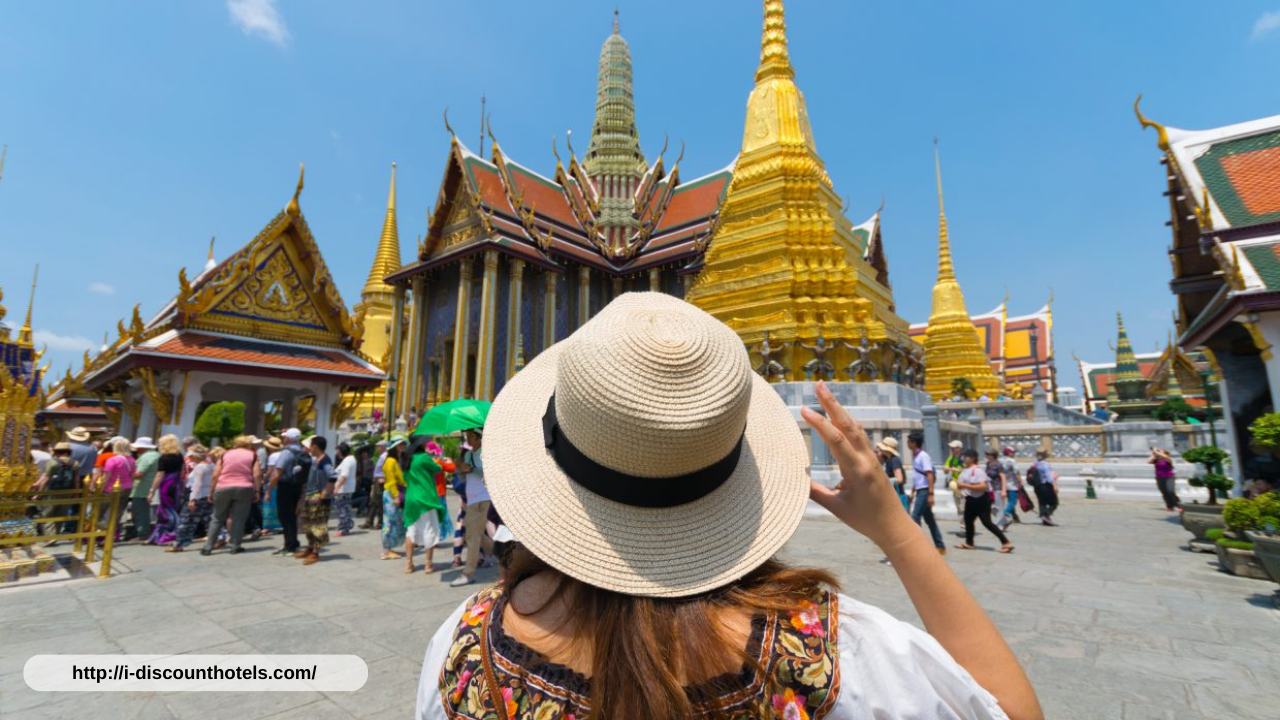
Tourism promises adventure, relaxation, and a break from routine. For many, it is a chance to recharge and reconnect with life. But for others, the freedom and anonymity that travel offers can open the door to risky behaviors that may lead to dependency. Beneath the postcards and souvenirs, there is a hidden truth: tourism can create an environment where addiction takes root. Recognizing the connection between travel culture and substance use is the first step in protecting mental health and seeking lasting recovery.
The Allure of Escaping Reality
Vacations often carry an unspoken permission to let go of usual boundaries. In destinations known for nightlife, beach parties, or festivals, alcohol and drugs can be readily available and socially encouraged. The mindset of “what happens here stays here” creates a sense of immunity from consequences, which can make it easier to engage in behaviors a person might avoid at home.
For individuals already struggling with stress, trauma, or mental health challenges, this atmosphere can become a catalyst for harmful habits. In some cases, what begins as vacation indulgence develops into patterns of substance use that persist long after the trip ends.
How the Tourism Industry Amplifies Risk
The tourism industry thrives on selling experiences that stimulate pleasure and excitement. Many hotspots are built around bars, clubs, and entertainment venues that promote overindulgence. Locals working in these environments are also vulnerable. Long hours, high-pressure jobs, and constant exposure to substance use can increase the risk of dependency among hospitality workers themselves.
This cycle fuels a culture where addictive behaviors become normalized. Over time, both visitors and residents can find themselves trapped in a lifestyle that prioritizes temporary highs over long-term well-being.
Mental Health and the Search for Escape
Travel often attracts those who want to leave behind not just their daily routine, but also emotional pain. People coping with depression, anxiety, or past trauma may turn to tourism as a way to “start fresh,” only to discover that the underlying struggles follow them wherever they go.
Without healthy coping tools, it is easy to fall into habits that mask the pain rather than address it. Substances may offer a temporary escape, but they ultimately deepen emotional wounds and make it harder to return to a balanced life.
Breaking the Cycle Through Holistic and Personalized Care
True recovery means more than stopping substance use. It involves healing the root causes that fuel dependency. A holistic approach to treatment addresses the mind, body, and spirit. This may include therapy, medical support, nutrition guidance, mindfulness practices, and faith-based counseling for those who find strength in spiritual healing.
Personalized care plans ensure that recovery is tailored to the unique needs and experiences of each individual. Whether through inpatient programs for immersive support or outpatient care that allows for ongoing connection with daily life, effective treatment empowers individuals to build a sustainable path forward.
Taking the First Step
If you or someone you love is caught in the escape trap of tourism-driven risky behaviors, know that recovery is possible. The same desire for adventure that draws people to travel can be redirected toward a journey of healing and self-discovery. With the right support, it is possible to break free from dependency and create a life that does not require escape.
Reach out today to explore compassionate, professional help designed to guide you toward lasting wellness. Your path to recovery can start now.