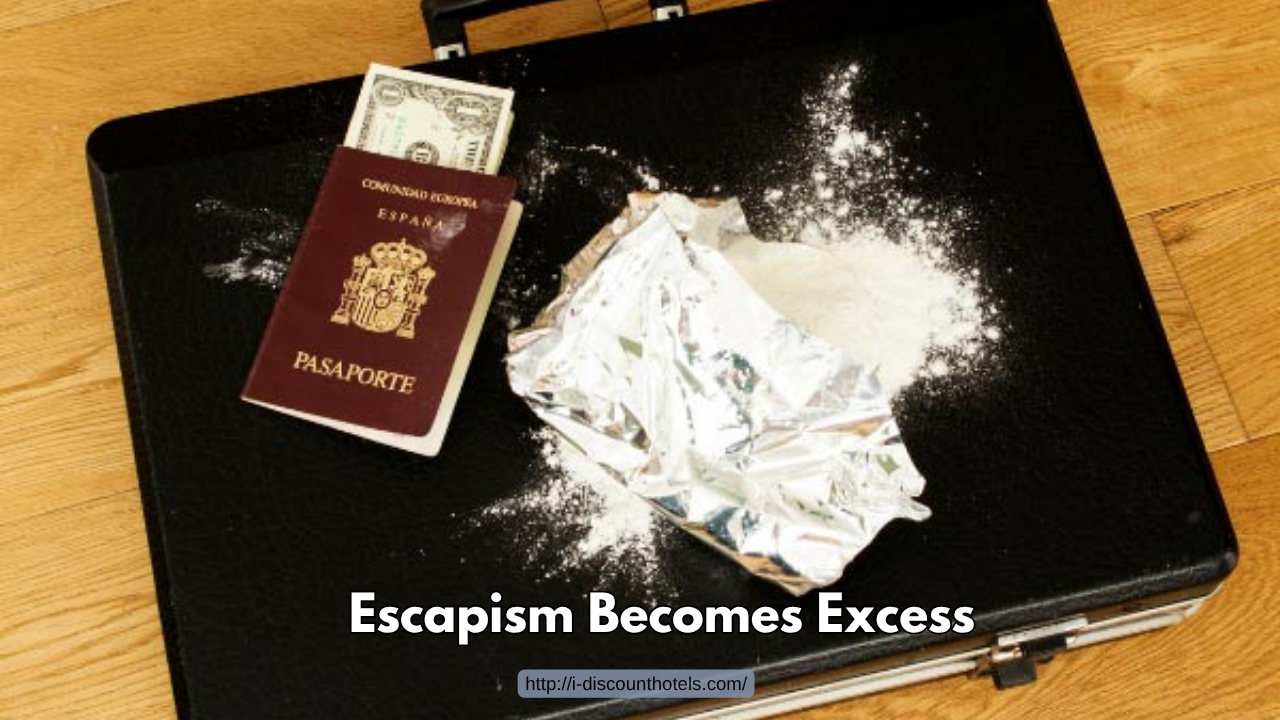
The thrill of travel often promises freedom, adventure, and escape. But beneath the glittering nightlife and exotic experiences lies a darker side of global tourism. Around the world, many travelers use vacations as a license to indulge in behaviors they would avoid at home. Alcohol, recreational drugs, and risky social settings become part of the experience, fueling what experts now call “destination addiction.” As tourism grows, so does the hidden reality of substance abuse that often follows travelers long after they return home.
When Escapism Becomes Excess
The vacation mindset
Many people see vacations as a time to break routine and “let loose.” A drink by the beach turns into multiple rounds at the bar, and nightlife becomes a central part of the itinerary. The mindset of “it doesn’t count on vacation” normalizes excessive drinking and substance use. But while a few days of fun may seem harmless, the consequences can be lasting. For some, the loss of control while traveling can spark dependency that follows them into daily life.
Destinations that market indulgence
Tourism marketing often romanticizes alcohol and party culture. Cities like Bangkok, Ibiza, and Cancún attract visitors not only for their beauty but for their nightlife. Cruise lines, resorts, and festivals promote “all-inclusive” packages where alcohol flows freely and boundaries blur. These environments can quickly become triggers for individuals in recovery or those struggling with underlying emotional pain. What begins as recreation can easily turn into risk.
How Travel Environments Enable Substance Use
Peer pressure and accessibility
While traveling, social norms shift. Travelers often feel pressure to join the group and participate in heavy drinking or drug use. Many tourist destinations have relaxed enforcement of substance laws, making access easy and temptation strong. When combined with a sense of anonymity, this environment can encourage risky choices that travelers might never make at home.
Emotional vulnerability on the road
For some, travel is not just about escape but avoidance. People running from grief, stress, or dissatisfaction may seek relief in the excitement of new surroundings. Substances can become a quick way to cope with loneliness or emotional pain. Unfortunately, this temporary comfort often deepens feelings of emptiness once the vacation ends.
The Cost of the “Party Passport”
Mental and physical consequences
What starts as a night of fun can result in long-term harm. Substance use impairs judgment, increases the risk of accidents, and can trigger anxiety or depression. Over time, repeated indulgence while traveling can create patterns of dependency that continue even after returning home.
Impact on local communities
Tourism-driven substance use also affects local populations. The demand for drugs and alcohol in vacation spots often fuels illegal trade, crime, and exploitation. It places strain on local healthcare systems and contributes to cycles of addiction within communities that rely heavily on tourism income.
Traveling with Mindfulness and Intention
Practicing sober curiosity
Choosing sobriety or moderation while traveling does not mean losing joy or adventure. Sober travel allows for deeper connections, more memorable experiences, and greater self-awareness. It encourages travelers to engage with local culture authentically and without the haze of intoxication.
Holistic healing and recovery support
For those who struggle with substance use related to travel or escapism, recovery begins with understanding the deeper causes of dependency. Holistic treatment programs address physical, emotional, and spiritual healing together. At i-Discount Hotels, individuals can find compassionate, faith-based care designed to meet their unique needs through inpatient and outpatient options. Recovery is not about restriction—it is about rediscovering life’s richness without reliance on substances.
Choosing a New Kind of Journey
The passport to freedom is not found in the next party or destination but in self-discovery and healing. Traveling sober can open doors to real connection, clarity, and peace of mind. For those ready to break free from the cycle of vacation dependency, help is available.
Reach out today to learn how holistic, personalized treatment can help you create a life of purpose and balance—one that no longer depends on escape but thrives on true freedom.