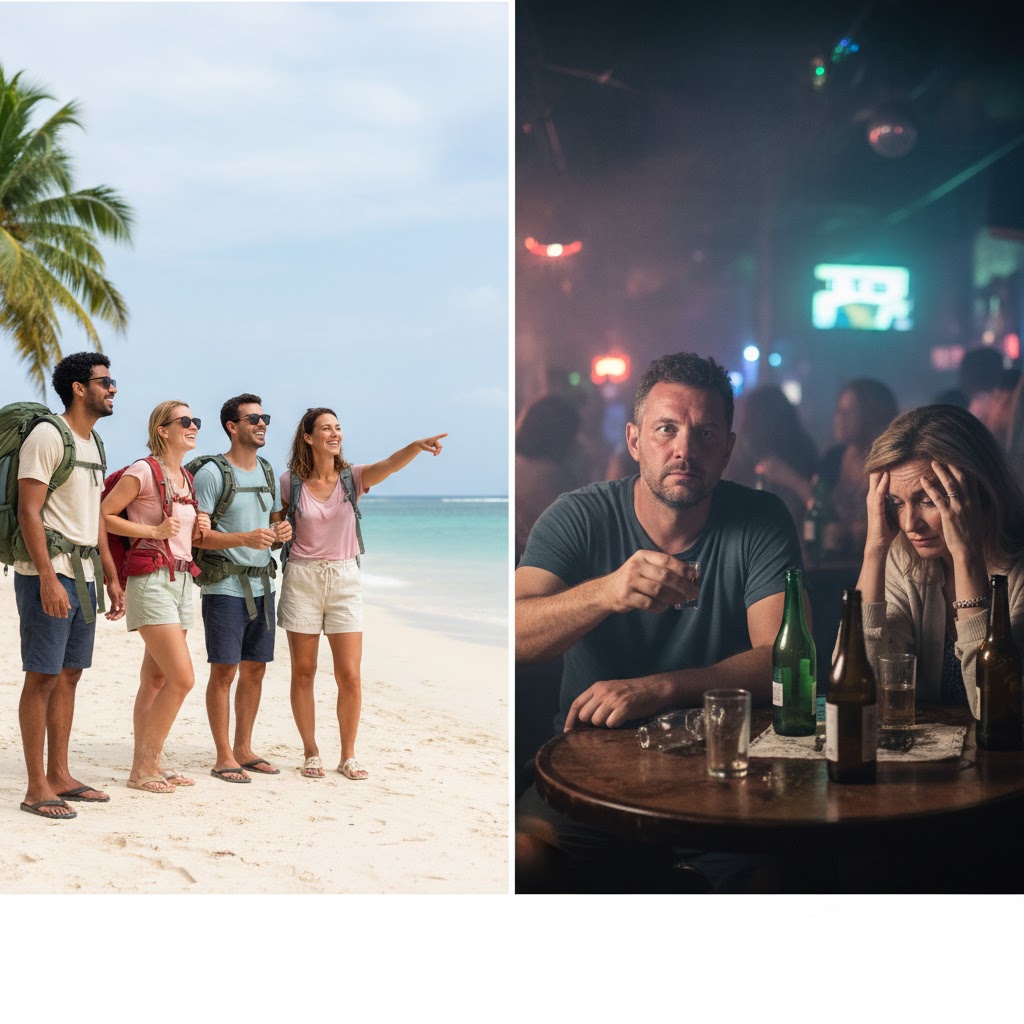
Travel has the power to inspire, rejuvenate, and create lasting memories. However, for individuals struggling with addiction or mental health challenges, tourism can present hidden risks. Environments that normalize heavy alcohol use, recreational drug access, or high-stress activities can trigger relapse or exacerbate existing conditions. Understanding the intersection between tourism, mental health, and substance use is essential for creating safer travel experiences and supporting individuals in recovery.
How Tourism Environments Impact Mental Health and Addiction
Exposure to High-Risk Behaviors
Popular tourist destinations often come with vibrant nightlife, crowded resorts, and easy access to alcohol and recreational substances. For travelers in recovery, exposure to these high-risk behaviors can test coping strategies and make relapse more likely. Even casual social pressure can have significant effects, particularly during early recovery stages.
Stress and Anxiety During Travel
While vacations are generally associated with relaxation, travel can also be stressful. Long flights, navigating unfamiliar locations, and dealing with travel logistics can increase anxiety levels. These stressors can serve as triggers for substance use, especially for those managing co-occurring mental health disorders. Recognizing and preparing for potential triggers is an important step in promoting safety while traveling.
Isolation and Emotional Vulnerability
Being away from familiar support networks can leave travelers feeling isolated. Emotional vulnerability combined with the excitement and unpredictability of new environments can contribute to increased risk. Maintaining connections with supportive friends, sponsors, or therapists is key to managing these challenges.
Strategies for Safer and Healthier Travel
Recovery-Friendly Accommodations
Selecting hotels, resorts, or retreats that prioritize wellness and recovery can reduce exposure to high-risk situations. Many destinations now offer wellness programs, structured activities, and sober-friendly accommodations that create supportive environments for individuals in recovery.
Incorporating Mental Health and Holistic Practices
Integrating mindfulness, meditation, yoga, or other holistic activities into travel routines strengthens resilience and reduces stress. Wellness practices not only support mental health but also provide practical tools to maintain sobriety, manage triggers, and promote emotional stability during travel.
Planning and Communication
Advance planning helps mitigate risk. Creating an itinerary that minimizes exposure to high-risk environments, scheduling downtime for self-care, and communicating personal recovery needs with travel companions can provide structure and accountability. Staying connected to therapy or support groups virtually ensures ongoing guidance and encouragement.
How the Tourism Industry Can Play a Role
Tourism providers have an opportunity to promote safer travel experiences by offering wellness-focused programs, creating awareness about substance misuse, and providing access to mental health resources. Training staff to recognize signs of distress, implementing policies that support responsible alcohol consumption, and promoting inclusive and supportive activities all contribute to a healthier travel environment.
Conclusion
Tourism can be a transformative and enriching experience, but it also poses unique challenges for those navigating addiction or mental health concerns. Awareness, preparation, and access to supportive environments are essential for minimizing risk and promoting wellness. Recovery-friendly accommodations, holistic practices, and open communication can help travelers maintain their progress and enjoy safe, fulfilling experiences.
If you or a loved one are struggling with addiction or mental health challenges, professional guidance is crucial. Reaching out to a trusted recovery center can provide the tools, support, and resources needed to navigate travel safely while continuing on the path to long-term health and well-being.