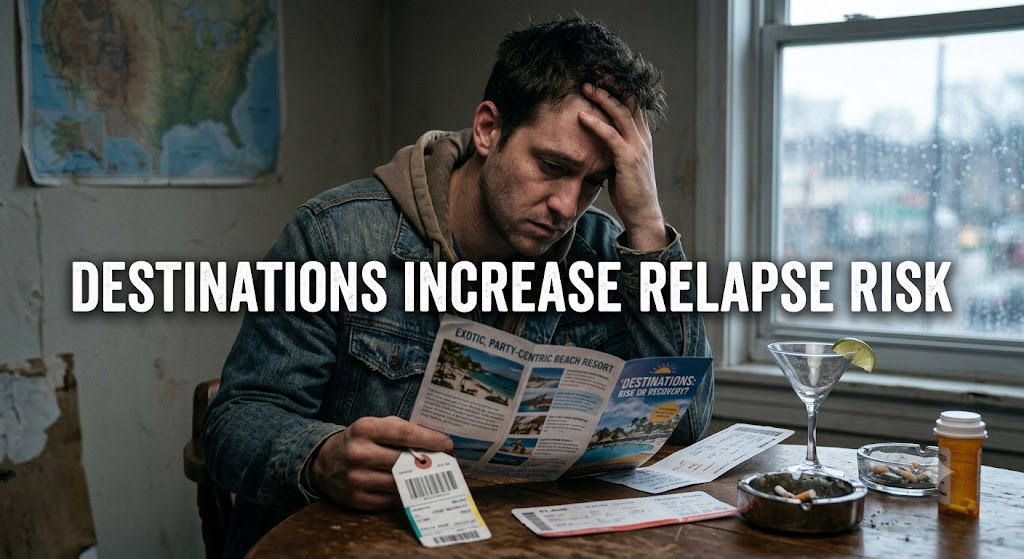
Travel is often associated with relaxation, adventure, and a welcome escape from everyday responsibilities. For many people, a vacation offers an opportunity to recharge and return home feeling refreshed. However, for individuals recovering from substance use disorders, travel can present unique psychological challenges. Certain destinations, social environments, and travel experiences can increase exposure to triggers that threaten both sobriety and mental health.
Understanding the psychology behind these risks is an important part of long-term recovery. While travel itself is not harmful, the environments people choose and the emotions they experience during a trip can significantly influence decision-making. At i-discounthotels, we believe recovery extends far beyond treatment. Through comprehensive addiction recovery services, mental health care, inpatient and outpatient treatment, and holistic, faith-based, and individualized approaches, individuals can build the confidence and resilience needed to navigate every stage of life, including travel.
Understanding the Psychology Behind Travel and Addiction
Environment Influences Behavior
Human behavior is strongly influenced by surroundings. Psychologists have long recognized that people respond to environmental cues, social expectations, and emotional experiences. For someone recovering from addiction, these influences become even more significant.
Travel often places people in unfamiliar settings where routines disappear and new behaviors are encouraged. Many tourist destinations are intentionally designed to create excitement, relaxation, or indulgence. While these experiences may seem harmless, they can activate memories and emotional associations connected to past substance use.
The Brain Connects Places With Past Experiences
Addiction changes how the brain processes reward and memory. Certain environments, sounds, smells, or social situations can trigger cravings because they remind the brain of previous substance use.
For example, a beachfront bar, a crowded nightclub, or a familiar vacation destination may activate emotional memories associated with drinking or drug use. These conditioned responses can occur even after months or years of sobriety.
Recognizing these psychological connections helps individuals prepare for situations that may increase relapse risk.
Why Some Travel Destinations Present Greater Challenges
Party-Oriented Tourism
Some destinations have built their reputation around nightlife, alcohol, and entertainment. Resorts offering unlimited drinks, music festivals, casino districts, and party beaches often encourage excessive consumption as part of the vacation experience.
For individuals in recovery, these environments create continuous exposure to triggers. Even when someone has no intention of using substances, repeated exposure can increase emotional stress and cravings.
Social Expectations
Vacations frequently involve family gatherings, celebrations, or group travel. Social pressure may encourage individuals to participate in drinking or other activities that conflict with recovery goals.
Many people hesitate to explain their sobriety or fear being judged for declining alcohol. This internal conflict can create additional emotional strain during a trip.
Healthy recovery includes recognizing that protecting sobriety is more important than meeting social expectations.
Loss of Daily Structure
One of the greatest psychological challenges during travel is the loss of routine. Recovery often depends on consistent habits such as therapy sessions, exercise, healthy eating, adequate sleep, and support meetings.
Vacations naturally disrupt these patterns. Without intentional planning, the lack of structure can contribute to increased stress, emotional instability, and poor decision-making.
Mental Health and Relapse Risk During Travel
Stress Can Increase Vulnerability
Although vacations are meant to reduce stress, travel often creates unexpected challenges. Delayed flights, transportation problems, unfamiliar surroundings, financial concerns, and crowded environments can all increase anxiety.
For individuals living with depression, anxiety disorders, trauma, or other mental health conditions, these stressors may become overwhelming without healthy coping strategies.
Emotional Highs and Lows
Travel can create intense emotional experiences. Excitement, disappointment, loneliness, homesickness, and overstimulation may all occur within the same trip.
Learning to regulate emotions without turning to substances is an important part of lasting recovery. Emotional awareness allows individuals to respond thoughtfully instead of reacting impulsively.
Practical Strategies for Reducing Relapse Risk While Traveling
Choose Destinations That Support Wellness
Not every vacation has to revolve around nightlife or alcohol. Wellness-focused destinations provide opportunities to relax while supporting physical and emotional health.
Consider destinations that offer:
Nature and Outdoor Activities
Spending time outdoors can reduce stress, improve mood, and encourage mindfulness.
Cultural Exploration
Museums, local history, art, and educational experiences create meaningful memories without relying on substance-centered entertainment.
Wellness Retreats
Retreats focused on yoga, meditation, nutrition, and personal growth provide environments that align with recovery goals.
Build a Travel Recovery Plan
Preparation helps reduce uncertainty and build confidence.
Before traveling:
Identify Personal Triggers
Think about situations that have challenged sobriety in the past.
Maintain Healthy Habits
Prioritize quality sleep, balanced nutrition, hydration, and physical activity.
Stay Connected
Continue attending virtual recovery meetings or schedule regular conversations with trusted support people.
Have an Exit Strategy
If a situation becomes uncomfortable or triggering, know how you will remove yourself safely.
Planning ahead reduces the likelihood of impulsive decisions.
The Importance of Holistic and Individualized Care
Recovery is not only about avoiding substances. It involves improving overall well-being and developing healthier ways to respond to life’s challenges.
Holistic treatment recognizes the connection between mental, emotional, physical, and spiritual health. Practices such as mindfulness, meditation, exercise, prayer, and counseling strengthen resilience and emotional stability.
Individualized treatment plans ensure that each person receives support based on their unique history, goals, and recovery journey. Whether through inpatient treatment, outpatient care, or ongoing counseling, personalized support prepares individuals to manage situations like travel with greater confidence.
Recovery Does Not Stop When You Leave Home
One of the greatest misconceptions about recovery is that it only happens inside a treatment center. In reality, healing continues every day through healthy choices, supportive relationships, and effective coping skills.
Travel offers opportunities to practice those skills in real-world settings. Every successful experience strengthens confidence and reinforces the belief that a fulfilling, substance-free life is possible.
Rather than avoiding travel altogether, individuals can learn how to approach it thoughtfully and intentionally.
Conclusion
Travel has the potential to enrich life, improve mental health, and create lasting memories. However, understanding the psychology of travel and addiction is essential for protecting long-term sobriety. Certain destinations increase relapse risk because they expose individuals to environmental triggers, social pressure, emotional stress, and disrupted routines.
With preparation, self-awareness, and professional support, travel can become a positive part of recovery instead of a threat to it.
If you or someone you love is struggling with addiction or mental health challenges, compassionate help is available. Comprehensive treatment that includes inpatient and outpatient care, holistic therapies, faith-based support, and individualized treatment planning can provide the tools needed for lasting recovery.
Healing is possible, and recovery can remain strong wherever your journey takes you.